Sustainability Report
From a regulatory requirement to a strategic lever for your business.
The Sustainability Report is the tool that enables companies to report in a structured and transparent way their environmental, social, and governance performance.
It is not just a reporting document. It is a strategic tool that transforms data and information into a comprehensive vision of the value generated by the company, improving transparency, credibility, and market positioning.
CONTACT US
Why prepare a Sustainability Report today
The Sustainability Report is no longer just an obligation for some companies.
It is becoming a standard required by the market, investors, and supply chains.
A well-structured report makes it possible to organize ESG data, measure results, and clearly communicate the company’s impact.
More and more organizations are choosing to adopt it in order to:
Transparency towards Stakeholders
Continuous regulatory compliance
Sustainability in strategic decisions
Access to new financial opportunities
Those who have chosen us
Even for companies not yet subject to regulatory obligations, it represents a useful tool today to prepare for future regulatory and market developments.
THE SUSTAINABILITY REPORT WITH MOVESION
Our approach to the preparation of the Sustainability Report
At MOVESION we support companies in the development of the Sustainability Report through a structured, practical, and future-oriented process. Our goal is not only to produce a final document, but to build together with the company a solid and consistent ESG information management system.
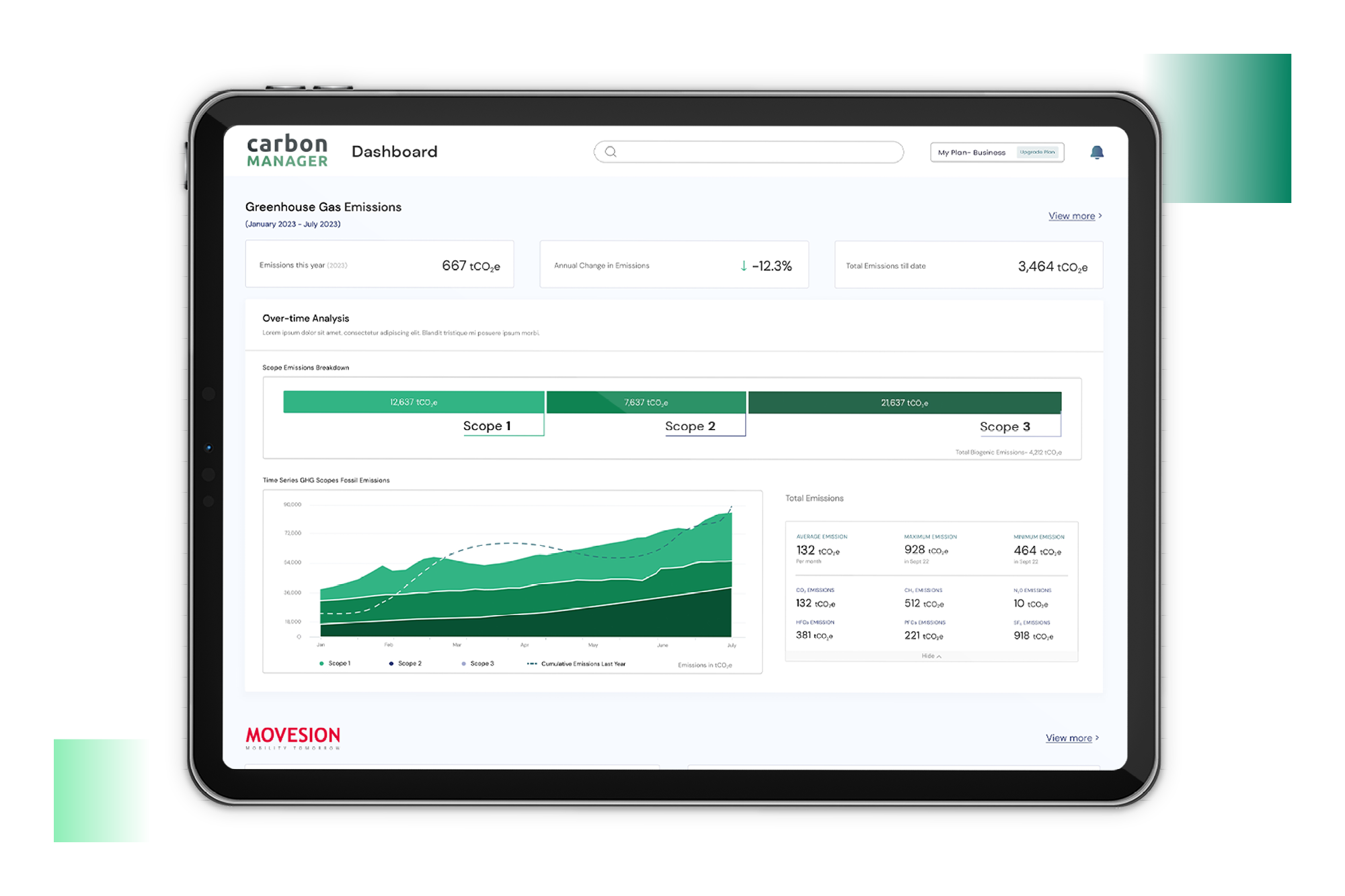
The process combines technical rigor, strategic vision, and digital tools, adapting the main reference standards.
Each project is developed according to the company’s size, industry, and level of ESG maturity.
The result is a Sustainability Report that is clear, readable, and aligned with the company’s positioning, designed to evolve over time.
GRI Standards
ESRS
CSRD
Framework developed by EFRAG, including the VSME for SMEs
Our approach is pragmatic, data-driven, and focused on delivering business value
We work alongside management and company teams to turn the Sustainability Report into a strategic guidance tool, not just a reporting document. We integrate expertise in:
Sustainability
ESG
Climate and environmental analysis
Supply chain
management
Digital tools for data analysis
This makes sustainability measurable, replicable, and useful for business decision-making.
The service is designed for:
Companies subject to ESG reporting obligations
Companies that want to anticipate CSRD regulations
Organizations that want to strengthen their credibility and positioning
Companies that want to structure sustainability data and initiatives
Do you want to understand whether the Sustainability Report is the right tool for your company?
We can help you evaluate the reporting scope, the most suitable approach for your organization and the strategic opportunities related to sustainability.
F.A.Q.
What is the Sustainability Report?

The Sustainability Report is a document that describes and measures a company's performance in environmental, social, and governance (ESG) areas. Through this tool, companies transparently communicate their impact on communities, people, and the environment, integrating sustainability into their business strategy.
What is the difference between a Sustainability Report and an ESG Report?
The Sustainability Report is the most common form of ESG reporting and generally follows recognized standards such as GRI or ESRS. The term ESG report is broader and may also include analyses, indicators, or specific reports requested by investors, clients, or financial institutions.
Who is required to prepare a Sustainability Report?
With the introduction of the European CSRD regulation, the obligation for ESG reporting will progressively extend to many companies. In particular, it concerns: large companies, listed companies, and organizations with specific thresholds in terms of revenue, employees, and balance sheet size. Many SMEs are also starting to prepare a voluntary report to respond to requests from supply chains or financial institutions.
How long does it take to prepare a Sustainability Report?
The preparation of a Sustainability Report generally takes between 3 and 6 months, depending on the size of the company and the availability of data. The process includes an initial analysis, data collection, definition of indicators, drafting of the document, and final review.
Why should SMEs also prepare a Sustainability Report?
More and more large companies are asking their suppliers for information about the ESG performance of their supply chains. For this reason, many SMEs choose to anticipate market expectations and structure a sustainability reporting system from the outset. This helps strengthen credibility with clients and partners, access new market opportunities, and prepare for future regulatory developments.
Is the Sustainability Report only a communication tool?
No. When it is built correctly, it becomes a strategic management tool that enables the company to monitor ESG indicators, identify opportunities for improvement, and integrate sustainability into business decisions.
